
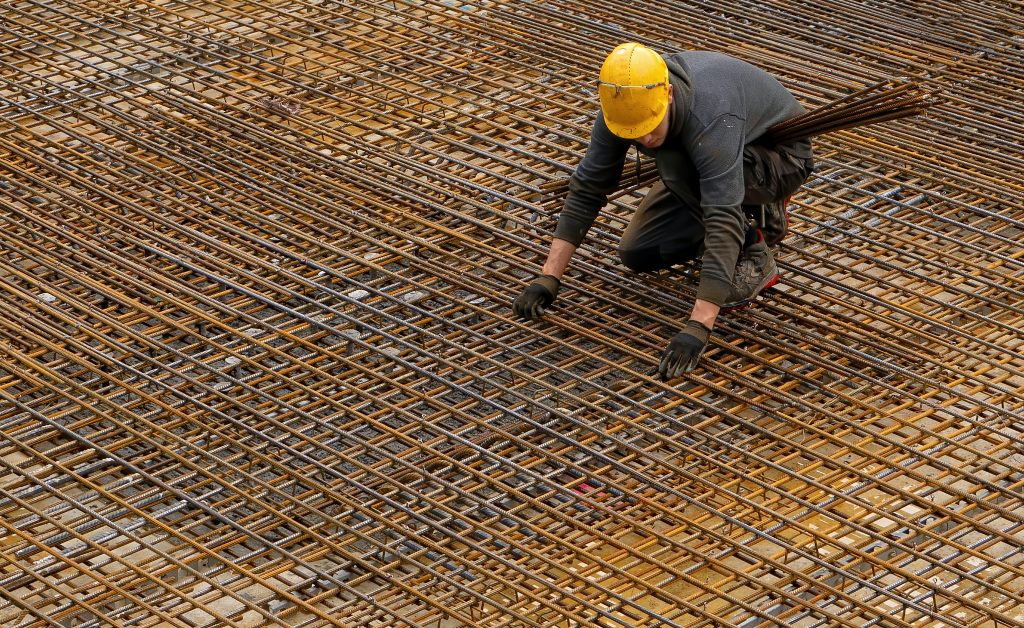
In the world of steel structures, the devil is often in the details. Every beam, every column, and every brace plays a crucial role in ensuring the stability and strength of a building. But what holds these mighty pieces of steel together, you ask? That’s where common steel connections come into play, my fellow enthusiasts of the structural arts. In this blog post, we’re going to embark on a riveting journey through the fascinating world of steel connections in structural detailing. So, roll up your sleeves, put on your hard hat, and let’s dive right in!
Butt Welds: The Solid Bond
If you’ve ever wondered how two steel members can become inseparable, the answer is often a butt weld. These connections are the steel equivalent of a firm handshake between two friends who are in it for the long haul.
What’s a Butt Weld? In simple terms, a butt weld joins two steel pieces end-to-end by melting the ends and fusing them together. Think of it as the ultimate steel merger, where the molecules of both ends decide to tie the knot and become one.
Where Do You Find Butt Welds? Butt welds are commonly used in situations where you need a continuous connection with no protruding bits. You’ll often spot them in beams, columns, and even pipes.
Welding Wizardry: The Process Creating a butt weld is a bit like choreographing a dance. You prepare the ends by beveling or grooving them, ensuring a snug fit. Then, you introduce them to the welding machine, which performs its fiery magic. The result? A seamless connection that’s strong enough to bear significant loads.
Secrets to Success and Common Pitfalls Achieving a robust butt weld requires precise preparation and welding techniques. Ensure clean surfaces, proper alignment, and the right welding rod. Watch out for common blunders like under welding, over welding, and, worst of all, weld porosity. These issues can compromise the integrity of your connection faster than you can say “structural failure.”
Fillet Welds: The Smooth Operators
Next up in our steel connection saga, we have the charismatic fillet welds. These connections are all about curves and finesse, like the Fred Astaires of the steel world.
Understanding Fillet Welds A fillet weld doesn’t join steel pieces edge-to-edge; instead, it’s all about creating a triangular cross-section of fused metal. Picture it as the tango of steel connections, where two materials embrace at an angle, forming a beautiful joint.
Where Do Fillet Welds Shine? These welds are your go-to when you need to connect two pieces at an angle. They’re often found in joints where aesthetics and smooth transitions are important.
The Art of Fillet Welding Creating a top-notch fillet weld is a craft. You must carefully prepare the joint, ensuring it’s clean and well-fitted. Then, like a maestro conducting an orchestra, you apply the welding arc in a precise, controlled manner, ensuring proper fusion and penetration.
Quality Control and Inspection A fillet weld that’s not up to snuff can lead to structural woes. Regular inspections are vital to detect cracks, undercutting, and inconsistent sizes. Remember, a perfect fillet weld isn’t just about appearances; it’s about strength and reliability.
These are just the first steps on our journey to unravel the mysteries of common steel connections. Stay tuned as we dive deeper into the riveting world of bolted and moment connections. But for now, remember, when it comes to steel detailing, precision is your best friend. And if in doubt, always consult with a structural steel detailing professional to ensure your connections are as strong as they need to be. Check out Structural Steel Detailing, Precast Detailing and Rebar shop drawings pages.
Bolted Connections: The Power of Precision
Now, let’s dive into the world of bolted connections, where nuts and bolts are the unsung heroes holding everything together. These connections are all about precision and reliability, like a finely tuned Swiss watch.
Bearing Connections: The Foundation of It All
- Picture a bearing connection as a sandwich, with steel members as the bread and bolts as the filling.
- These connections rely on the sheer strength of bolts to carry loads by transferring them from one member to another through compression.
Types of Bolts and Nuts
- Bolted connections come in various flavors, depending on the type of bolts and nuts used.
- Common options include hex head bolts, structural bolts, and high-strength bolts.
- Nuts can be plain, tapped, or heavy hex.
Bearing Connection Design
- Designing a solid bearing connection involves selecting the right bolts, nuts, and plate thickness.
- It’s like piecing together a puzzle; everything needs to fit perfectly to ensure stability.
- Proper tightening techniques are essential to guarantee the integrity of the connection.
Shear Connections: Keeping It in Line
- Shear connections are your go-to when you need to transfer horizontal loads or shear forces between steel members.
- Imagine a scenario where you want two steel beams to remain aligned while supporting a massive load. Shear connections make it happen.
Selecting the Right Shear Connectors
- The choice of shear connectors depends on the specific requirements of your project.
- Common options include shear studs, channels, and angles.
- Remember, it’s not just about choosing the right connectors but also detailing them correctly.

Moment Connections: When Steel Gets Serious
Ah, the majestic moment connections – the big leagues of steel detailing. These connections are like the CEOs of the steel world, handling massive loads and ensuring structural stability.
Bolted Moment Connections: Where Steel Meets Precision
- Bolted moment connections involve bolting steel beams and columns together with added reinforcement.
- They’re used in situations where both strength and flexibility are essential.
- Careful detailing and precise alignment are crucial to their success.
Welded Moment Connections: The Power of Fusion
- Welded moment connections, on the other hand, rely on the fusion of steel members.
- They provide superior load-carrying capacity and are often used in high-rise buildings and bridges.
- Welding quality and inspection are paramount to ensure their reliability.
Additional Considerations: Crossing the T’s and Dotting the I’s
Before we wrap up our journey through the world of steel connections, let’s touch on a few critical considerations that often fly under the radar but are essential for a successful project.
Corrosion Protection: Shielding Your Steel
- Steel connections are vulnerable to corrosion, which can weaken them over time.
- Proper protection methods, such as coatings or galvanizing, help extend the life of your connections.
Fire Resistance: Protecting Your Structure
- In the event of a fire, steel connections must maintain their integrity.
- Fireproofing measures, like intumescent coatings, are crucial to ensure safety.
Expansion Joints: Allowing for Movement
- Steel structures expand and contract with temperature changes.
- Expansion joints accommodate this movement, preventing stress on connections.
In the grand scheme of constructing awe-inspiring buildings and structures, common steel connections may not always steal the spotlight, but they are undeniably the unsung heroes. Much like the supporting cast in a blockbuster movie, they ensure the stars (the main structural members) perform flawlessly, providing stability and strength where it’s needed most.
As we conclude our journey through the intricacies of steel connections in structural detailing, it’s clear that these connections are not mere technicalities but the backbone of any well-designed steel structure. Whether it’s the robust embrace of a butt weld, the elegance of a fillet weld, the precision of bolted connections, or the might of moment connections, each plays a crucial role in the structural integrity of the entire project.
So, the next time you find yourself marveling at a skyscraper, a bridge, or even a modest steel-framed building, remember that beneath the surface, a web of connections is silently at work, ensuring safety and stability. Every bolt, every weld, and every detail matters.
In your own steel detailing endeavors, embrace the artistry of this craft. Strive for precision, adhere to best practices, and pay attention to every minute detail. Whether you’re a seasoned professional or a budding enthusiast, there’s always room to expand your knowledge and refine your skills in the world of steel connections.
And if ever in doubt or facing a complex project, don’t hesitate to consult with experts in the field. Like a wise traveler seeking directions from a local guide, seeking advice from experienced structural steel detailing professionals can be the key to navigating the intricacies of steel connections with confidence.
So, my fellow travelers of the steel landscape, remember that every structure tells a story, and it’s the connections that ensure it’s a tale of strength, resilience, and architectural marvel. Here’s to the fascinating world of steel detailing and the unsung heroes that make it all possible. For infomation visit Steel.org.au.
Safe detailing, and may your connections always be strong and true.
FAQs
Q1: Can I use regular nuts and bolts for structural connections?
A1: It’s best to use high-strength bolts and nuts designed for structural applications to ensure the safety and integrity of your connections.
Q2: How do expansion joints work in steel structures?
A2: Expansion joints allow for thermal expansion and contraction of steel members without causing stress or damage to the structure.
Q3: What are some common corrosion protection methods for steel connections?
A3: Common methods include painting, hot-dip galvanizing, and applying epoxy coatings.
Q4: Are there any software tools that can assist with steel connection design and detailing?
A4: Yes, there are various software packages available that can aid in the design and analysis of steel connections, such as AutoCAD and Tekla Structures. Consulting with a structural engineer is also advisable for complex projects.
Q5: What’s the difference between a bearing connection and a shear connection?
A5: A bearing connection transfers loads through compression, while a shear connection transfers horizontal loads between steel members.
